TI AM62x Series Guide#
Series Overview#
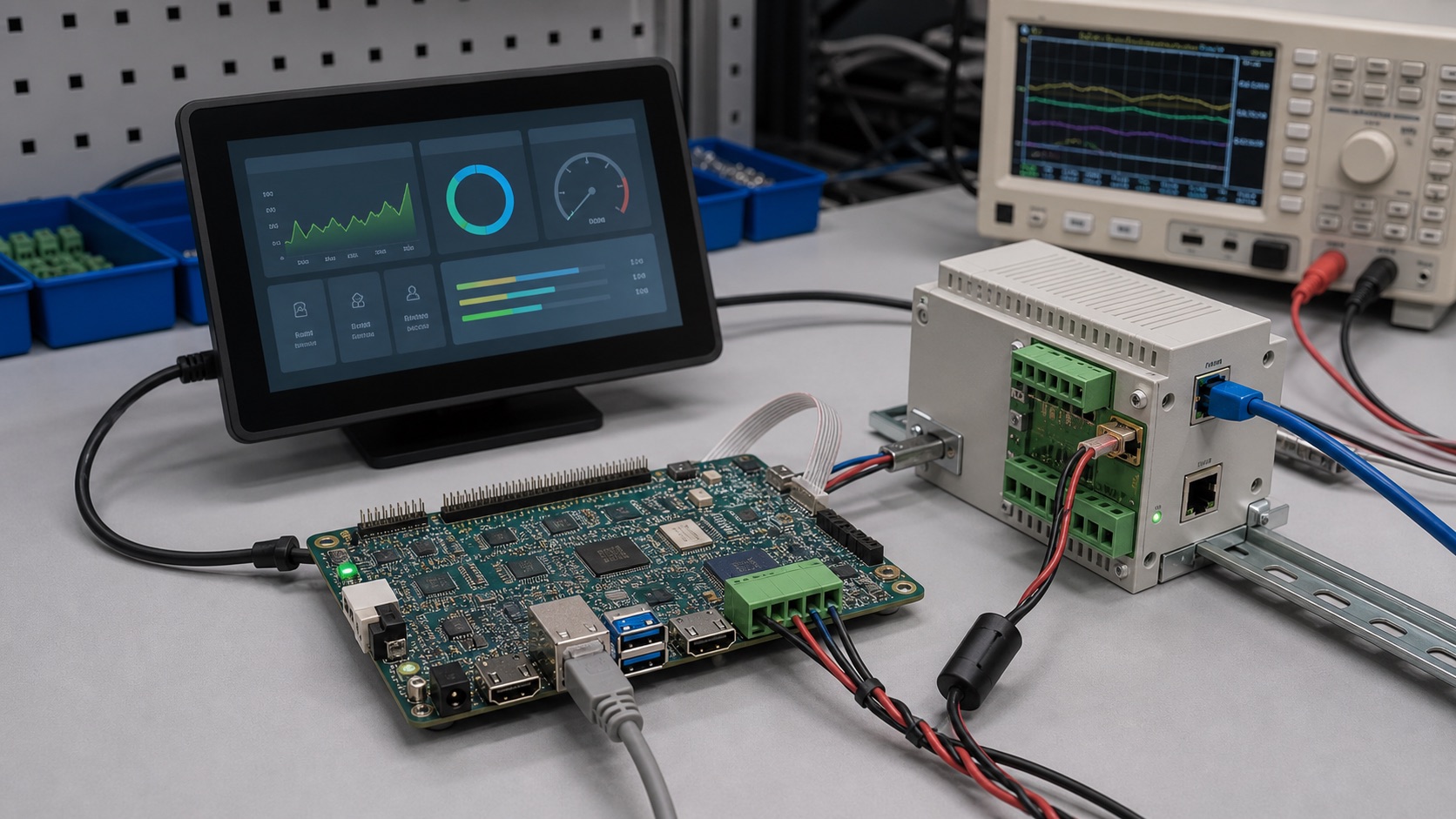
TI AM62x is a Sitara processor family aimed at low-power embedded Linux products such as industrial HMI panels, gateways, smart terminals, medical interfaces, energy devices, and connected industrial equipment. It is usually considered when documentation, Linux support, power efficiency, industrial positioning, and long-term product planning matter more than maximum Android multimedia performance.
AM62x is not a direct replacement for a low-cost Android TV-box SoC or a high-performance edge AI processor. It is best evaluated as a professional embedded Linux platform.
Chips in This Series#
| SoC / Family | Positioning | Typical Applications |
|---|---|---|
| AM625 / AM62x | Low-power Linux applications processor | HMI, gateways, smart terminals, industrial devices |
| AM62A | Vision and AI-oriented variant | Camera, edge AI, smart vision terminals |
| Related AM64x | More industrial communication and real-time direction | Gateways, fieldbus, real-time systems |
Best-Fit Applications#
- Industrial Linux HMI panels
- Linux gateways
- Energy and metering terminals
- Medical and laboratory interfaces
- Building automation devices
- Smart terminals with long lifecycle needs
- Low-power fanless embedded devices
Not Recommended For#
- Lowest-cost Android smart panels
- High-end AI vision systems without evaluating AM62A or higher platforms
- Products where multimedia playback is the main value
- Projects that need a consumer Android ecosystem first
Key Selection Factors#
| Area | What to Check |
|---|---|
| Linux support | TI SDK, Yocto support, kernel version, long-term update plan |
| Display | Panel interface, touch controller, UI framework, graphics acceleration |
| Networking | Ethernet needs, Wi-Fi module, gateway software stack |
| Industrial I/O | UART, I2C, SPI, GPIO, CAN, RS485 through board design |
| Security | Secure boot, update signing, key storage, recovery |
| Power | Low-power design, suspend behavior, thermal margin |
| Lifecycle | TI product positioning, module vendor plan, and supply chain |
Software Support#
AM62x should be evaluated around Linux software quality. For a product, confirm SDK version, Yocto layer, kernel, device tree, graphics stack, bootloader, secure boot, update strategy, and board vendor maintenance policy.
If Android is required, verify support with the exact board vendor. AM62x may be excellent for industrial Linux, but Android panel projects should also compare Rockchip and Qualcomm.
Selection Matrix#
| Product Requirement | Recommended Direction |
|---|---|
| Low-power Linux HMI | AM62x |
| Linux gateway | AM62x or AM64x depending on industrial communication needs |
| Camera / edge AI | AM62A or higher AI-capable platform |
| Real-time industrial communication | Compare AM64x or AM65x |
| Cost-focused Android panel | Compare Rockchip first |
Alternatives#
| Alternative | When to Consider |
|---|---|
| NXP i.MX8M Mini | Long-lifecycle Linux HMI or gateway with broad module ecosystem |
| NXP i.MX8M Plus | Camera, AI, and vision features |
| Rockchip RK3568 | Cost-effective Android/Linux HMI or gateway |
| TI AM64x | More real-time and industrial communication requirements |
Production Readiness Checks#
- TI SDK and EVM documentation reviewed
- Board vendor BSP policy confirmed
- Display and touch validated
- Ethernet, serial, CAN, and GPIO tested under load
- Secure boot and update process defined
- Watchdog, RTC, recovery, and factory flashing validated
- Thermal behavior tested inside the final enclosure
Production Acceptance Notes#
AM62x should be accepted as a production platform only after the exact module or board has passed the intended Linux workload. For an HMI, that means display timing, touch, graphics stack, boot-to-application time, brightness control, suspend and resume, watchdog, and enclosure temperature. For a gateway, it means Ethernet recovery, serial adapters, storage logging, remote update, rollback, and power loss behavior.
The strongest AM62x projects usually have a clear Yocto or SDK baseline and a supplier who can explain kernel maintenance. Ask for the release notes, device tree changes, bootloader version, secure boot path, and production flashing flow. If the supplier cannot reproduce the image from source or cannot explain recovery, the hardware should remain in prototype status.
AM62x is often chosen because it avoids unnecessary performance and heat. That advantage only matters if the product requirements are realistic. Do not use AM62x as a low-cost substitute for a camera AI processor or a premium Android multimedia SoC. Use it when low power, industrial Linux, documentation, and long-term maintainability are the main goals.
Supplier Evidence To Keep#
Keep a short release file with the accepted board revision, RAM and storage option, SDK version, kernel branch, display panel, power input range, operating temperature target, update method, and known limitations. This record makes future component changes, security updates, and customer support much easier to manage.
Field Maintenance And Update Planning#
For AM62x products, field maintenance should be planned before the first pilot run. The device should have a known method for image update, rollback, serial recovery, watchdog reset, and factory reflash. If the product is installed in a cabinet, panel, or gateway enclosure, the recovery process should not require removing the board unless the service model allows it.
Security updates also need ownership. Decide whether the board vendor, internal team, or software partner will monitor kernel, bootloader, and userspace updates. A long-lifecycle Linux product can ship for many years, so the first BSP release is only the start of the maintenance plan.
Final Shortlist Rule#
Keep AM62x on the shortlist when the product needs low-power industrial Linux with documented support and modest graphics requirements. Remove it when the product is really an Android multimedia terminal, a high-end AI camera, or a control system that needs deeper real-time industrial communication than AM62x is meant to provide.
Pilot Build Checklist#
Before pilot production, test the accepted AM62x image on several boards, not only one prototype. Check boot consistency, eMMC programming, Ethernet link recovery, display startup, RTC retention, watchdog reset, update rollback, and power loss during writes. Record the exact SDK package and any board-vendor patches applied after the official release.
For field devices, also confirm how logs are rotated and how the system behaves when storage is nearly full. These small operational details often decide whether a Linux gateway or HMI survives real deployment.
Record pilot failures, workaround owners, retest dates, and release blockers before volume purchasing begins.
Close the pilot checklist before committing final board inventory and enclosure tooling.
FAQ#
What is TI AM62x best suited for?
AM62x is best suited for low-power industrial Linux HMI panels, gateways, smart terminals, and long-lifecycle embedded products.
Is AM62x a good Android panel SoC?
It is usually evaluated first as an industrial Linux platform. For Android-first panels, Rockchip or Qualcomm may be more natural depending on requirements.
When should AM64x or AM62A be compared?
Compare AM64x when industrial communication and real-time behavior are central. Compare AM62A when camera or vision AI becomes important.